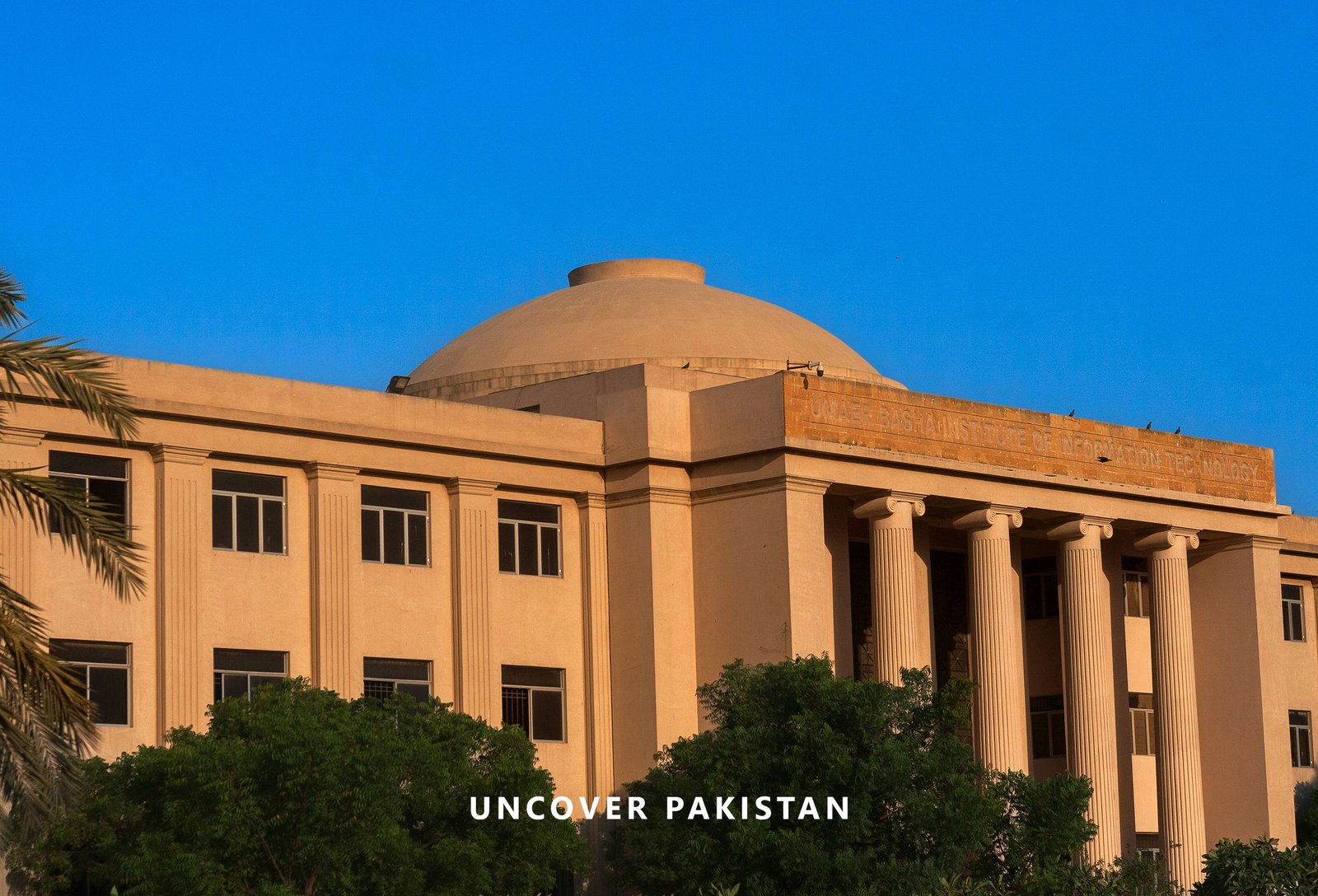

Pakistan’s higher education system is home to several world-class universities across diverse fields – from engineering and medicine to social sciences and the arts. Many of these institutions are renowned both nationally and internationally for their quality of education, research contributions, and accomplished faculty.
Below is a list of the top ten universities in Pakistan, selected for their strong academic reputation, robust infrastructure, and excellent faculty, to help students and parents make informed decisions about higher education.
Table of Contents
- 1. Quaid-i-Azam University (QAU), Islamabad
- 2. National University of Sciences and Technology (NUST), Islamabad
- 3. University of the Punjab (PU), Lahore
- 4. University of Agriculture, Faisalabad (UAF)
- 5. Aga Khan University (AKU), Karachi
- 6. COMSATS University Islamabad (CUI), Islamabad
- 7. Lahore University of Management Sciences (LUMS), Lahore
- 8. Pakistan Institute of Engineering and Applied Sciences (PIEAS), Islamabad
- 9. University of Karachi (UoK), Karachi
- 10. Institute of Business Administration (IBA), Karachi
- Conclusion
1. Quaid-i-Azam University (QAU), Islamabad
Quaid-i-Azam University is often regarded as the top institution in Pakistan. Established in 1967 in the capital city, it was initially a postgraduate university (then called the University of Islamabad) before expanding to offer undergraduate programs in later decades. The campus, nestled at the foot of the Margalla Hills in Islamabad, provides a scenic backdrop for a rigorous academic environment.
QAU is organized into multiple faculties, including natural sciences, social sciences, and biological sciences, and hosts several research institutes. Known for its prolific research output and highly qualified faculty, the university has a strong culture of inquiry and scholarship. It consistently holds a top spot in national rankings, and its graduates are found in prominent positions in academia, government, and industry. QAU’s blend of academic excellence and research focus attracts students from all over the country and abroad.
2. National University of Sciences and Technology (NUST), Islamabad
NUST is a leading public university that has gained a reputation as a hub of innovation and modern education in Pakistan. Founded in 1991 under the administration of the Pakistan Armed Forces, NUST has rapidly grown into a multi-disciplinary institution with a special strength in engineering and technology programs. Its main campus in Islamabad is equipped with state-of-the-art laboratories, research centers, and collaborative spaces, reflecting the university’s commitment to hands-on learning and innovation.
NUST offers a wide range of undergraduate and graduate programs, including engineering, information technology, natural sciences, and management sciences. The university is highly selective, with a rigorous entrance test (NET) and a strong emphasis on merit. Thanks to its industry partnerships and entrepreneurial incubation centers, students at NUST often engage in practical projects and internships as part of their education. NUST frequently features in Asian and global university rankings, and its graduates are known for being well-prepared for careers in technology, engineering, and business leadership.
3. University of the Punjab (PU), Lahore
The University of the Punjab, located in Lahore, is the oldest and one of the largest universities in Pakistan. Established in 1882 during British colonial rule, Punjab University has a rich history and has been a cornerstone of higher education in the region for well over a century. The university sprawls across multiple campuses and comprises numerous faculties and departments, offering programs in fields as varied as arts and humanities, sciences, engineering, law, and commerce. With dozens of affiliated colleges and a student body of tens of thousands, PU provides educational opportunities to a wide demographic.
The institution is known for its traditional academic strengths and has produced many notable alumni, including scholars, poets, scientists, and public figures who have shaped Pakistan’s intellectual and cultural life. Despite its age, Punjab University continues to evolve, updating its curricula and facilities to meet modern standards. Students at PU benefit from experienced faculty, extensive libraries, and research centers, making it a popular choice for those seeking a broad range of academic disciplines in a single university.
4. University of Agriculture, Faisalabad (UAF)
The University of Agriculture in Faisalabad is Pakistan’s premier institution for agricultural and veterinary sciences. Originating as the Punjab Agricultural College in 1906 and upgraded to a university in 1961, UAF has played a pivotal role in advancing agricultural education and research in the country. The university specializes in fields like agronomy, animal sciences, food technology, and rural sociology, among others, and has been instrumental in developing improved farming techniques and crop varieties that benefit Pakistan’s large agriculture sector. UAF’s campus includes experimental farms, research laboratories, and extension centers that allow students to get practical, hands-on training in their respective fields.
The institution’s faculty members are often involved in important research projects related to food security, sustainable agriculture, and biotechnology. UAF consistently ranks among the top universities in Pakistan, particularly in its specialized domain, and is recognized for its contributions to feeding the nation and educating agricultural scientists. For students interested in agricultural and environmental sciences, UAF offers a combination of strong academics, research opportunities, and direct impact on one of the key industries of Pakistan.
5. Aga Khan University (AKU), Karachi
Aga Khan University in Karachi is a private institution that has set high standards in medical education and health sciences. Founded in 1983 as Pakistan’s first private university, AKU has grown into an internationally acclaimed university with campuses and programs beyond Pakistan (including East Africa and the United Kingdom). In Karachi, AKU operates a leading medical college and a teaching hospital that is often considered one of the best in the region. The university is known for its rigorous curriculum and emphasis on research, particularly in the health and social sciences. Small class sizes and a merit-based admission policy (with generous financial aid for deserving students) ensure that AKU attracts some of the brightest aspiring doctors, nurses, and researchers.
Students receive training not only in clinical skills but also in ethics and community health, aligning with the university’s mission to improve healthcare outcomes. Beyond medicine, AKU also has institutes for educational development and media studies, reflecting a broader commitment to social development. Graduates of Aga Khan University often become leaders in healthcare and education, and the university’s hospital system provides critical services to communities while also giving students practical, high-quality clinical experience.
6. COMSATS University Islamabad (CUI), Islamabad
COMSATS University Islamabad, formerly known as COMSATS Institute of Information Technology, has quickly established itself as a top university in Pakistan, especially in the realms of computer science and information technology. Established in 2000, it is relatively young compared to others on this list, but its growth has been remarkable. The main campus is in Islamabad, with additional campuses in various cities like Lahore, Abbottabad, and Wah, among others, making its reach truly national. COMSATS offers a variety of programs including computer science, engineering, business administration, biosciences, and architecture.
The university is particularly noted for its research output in interdisciplinary sciences and its emphasis on innovation in the tech sector. Modern computer labs, technology incubators, and research collaborations (both national and international) are part of the COMSATS experience. The institution prides itself on maintaining a curriculum that keeps pace with global advancements in technology. For students, this means exposure to current programming, engineering techniques, and a chance to work on research projects during their studies. COMSATS University’s rapid rise in rankings and its focus on scientific and technical education have made it a preferred choice for students aiming for careers in technology and engineering fields.
7. Lahore University of Management Sciences (LUMS), Lahore
LUMS is one of Pakistan’s most prestigious private universities, renowned for its quality education and modern approach to learning. Located in Lahore and established in 1984, LUMS started primarily as a business school but has since evolved into a comprehensive university with multiple schools. Today, LUMS offers undergraduate and graduate programs in business, engineering, computer science, law, humanities, and social sciences. The university’s campus is known for its excellent facilities – from a well-stocked library and advanced labs to sports complexes – providing students with a conducive environment for both academic and personal development.
LUMS places a strong emphasis on critical thinking, entrepreneurship, and research. It’s Suleman Dawood School of Business, for example, is well-regarded for MBA and executive education programs, while the School of Science and Engineering produces skilled engineers and scientists. Admission to LUMS is highly competitive, reflecting its high academic standards and the demand for its programs. The university encourages a vibrant campus life with student societies, conferences, and seminars that bring industry leaders and international experts to interact with students. Graduates of LUMS have a strong track record of employment in top companies and admission to elite global universities for further studies. For many students and parents, LUMS represents an ideal blend of liberal arts education and professional preparation within Pakistan.
8. Pakistan Institute of Engineering and Applied Sciences (PIEAS), Islamabad
PIEAS is a specialized public sector university in Islamabad that focuses on engineering and applied sciences, with a particular strength in nuclear science and technology. It began as a training center for engineers and scientists working with Pakistan’s Atomic Energy Commission and was later chartered as an independent degree-granting institute. Although PIEAS is smaller in size and student population than many other universities on this list, it is highly respected for its academic rigor and research contributions. The institute offers undergraduate and postgraduate programs in electrical, mechanical and nuclear engineering, computer science, and related fields. Students at PIEAS benefit from a low student-to-teacher ratio, allowing for mentorship and close guidance from faculty members who are experts in their fields.
Research is a central component of PIEAS’s mission – whether it’s developing nuclear medical treatments, advancing materials science, or innovating in power generation, the institute has been at the forefront of technical research in Pakistan. PIEAS has repeatedly been ranked among the top engineering universities in the country, and its graduates often go on to roles in high-tech industries, government research organizations, or further doctoral studies abroad. For students with a keen interest in engineering and research – especially in the energy and nuclear sectors – PIEAS offers an environment of excellence and intense focus.
9. University of Karachi (UoK), Karachi
The University of Karachi is one of Pakistan’s largest public universities and has been a central part of the country’s higher education landscape since its establishment in 1951. The university’s expansive campus covers over 1,200 acres and contains a multitude of departments, institutes, and libraries. UoK offers a truly diverse array of academic programs – from the natural and social sciences to pharmacy, business, arts, and Islamic studies. With a student body that numbers in the tens of thousands, attending University of Karachi can feel like being in a small city of its own. Many of Pakistan’s eminent scholars, researchers, and professionals have studied or taught at UoK, making it an institution with a proud legacy.
The university is especially known for strong programs in sciences (for example, its International Center for Chemical and Biological Sciences is a well-regarded research facility) and in literature and humanities, where it has historically been a hub of intellectual activity. Being a large public university, it offers affordable education and attracts students from all walks of life, which creates a vibrant and diverse campus culture. While managing such a large institution comes with challenges, University of Karachi continues to be a key contributor to research and higher education. For many students in the southern region of Pakistan, UoK remains a top choice due to its comprehensive programs and the prestige associated with its name.
10. Institute of Business Administration (IBA), Karachi
The Institute of Business Administration in Karachi is the oldest business school in Pakistan and has long been synonymous with excellence in business and management education. Established in 1955, IBA had the distinction of being set up with technical support from world-renowned business schools like the Wharton School (USA) and the University of Southern California. Initially founded to train professional managers for Pakistan’s growing economy, IBA has since expanded its offerings to include programs in computer science, economics, and mathematics, while still maintaining its core strength in business administration. The campus in Karachi offers an environment that simulates a corporate setting – students often dress professionally and engage in case studies, presentations, and projects that mirror real-world business challenges.
IBA is known for its stringent admission process; only a small percentage of applicants are admitted each year, which means the student cohort is highly competent and motivated. The faculty includes experienced academics and industry experts, ensuring that the curriculum stays relevant to current business trends. IBA graduates have a strong alumni network and occupy leadership positions in top companies, entrepreneurial ventures, and public sector organizations both in Pakistan and internationally. The institute also frequently hosts seminars, competitions, and guest lectures by business leaders, enriching the educational experience. For students aiming for careers in business, finance, or tech management, IBA’s longstanding reputation and quality of education make it one of the most desirable institutions in the country.
Conclusion
Each of these top universities offers unique strengths and has contributed significantly to Pakistan’s educational progress. From the research-intensive environment of QAU to the industry-aligned programs of NUST and the specialized expertise of institutions like UAF and PIEAS, students have a variety of options to choose from. When considering which university is the best fit, students and parents should think about factors such as the field of study, campus environment, location, and the opportunities available during and after the degree.
The “top” university can vary depending on a student’s individual goals and interests – for instance, an aspiring engineer might lean towards NUST or PIEAS, while a future entrepreneur might set their sights on LUMS or IBA. What’s encouraging is that Pakistan’s higher education landscape is broad and evolving, and these ten institutions stand out as leaders in providing quality education. By choosing any of these universities, students can gain a strong foundation of knowledge, benefit from experienced mentors, and prepare themselves for successful careers and contributions to society.
Frequently Asked Questions
According to recent national and international rankings, Quaid-i-Azam University (Islamabad) is often ranked as the top university in Pakistan. It consistently holds the #1 spot due to its research output and academic excellence.
Some of the best engineering universities in Pakistan include NUST (Islamabad), UET Lahore, PIEAS (Islamabad), and GIKI (KPK). NUST and UET have a broad range of engineering programs, PIEAS is top-ranked for nuclear and technical disciplines, and GIKI is renowned for its specialized engineering education.
The top medical institution is Aga Khan University (Karachi), known for its world-class medical college and hospital. Among public institutions, King Edward Medical University (Lahore) is also prestigious, as it’s one of the oldest and best-ranked medical universities in the country.
Yes, many Pakistani universities are internationally recognized and appear in global rankings. Universities like QAU, NUST, LUMS, and PIEAS have been featured in QS and Times Higher Education rankings. Their degrees are respected abroad, especially when combined with strong alumni performance in graduate studies and research.
LUMS (Lahore) and IBA Karachi are generally considered the top universities for business and management programs in Pakistan. LUMS offers a comprehensive business education with global linkages, while IBA has a longstanding reputation for producing excellent business graduates.
Admission to top Pakistani universities is highly competitive. Generally, students need strong academic results in high school (Matric/F.Sc or O/A-Levels). Most top universities require passing an entrance exam (such as engineering universities’ ECAT, LUMS/IBA’s admission tests, or university-specific tests) and may consider standardized test scores. Some also conduct interviews or look at extracurricular achievements.
Meeting the merit cutoff is crucial, as only top-ranked applicants secure admission. Additionally, many top institutions offer scholarships to high achievers to ensure that talented students can attend regardless of financial background.